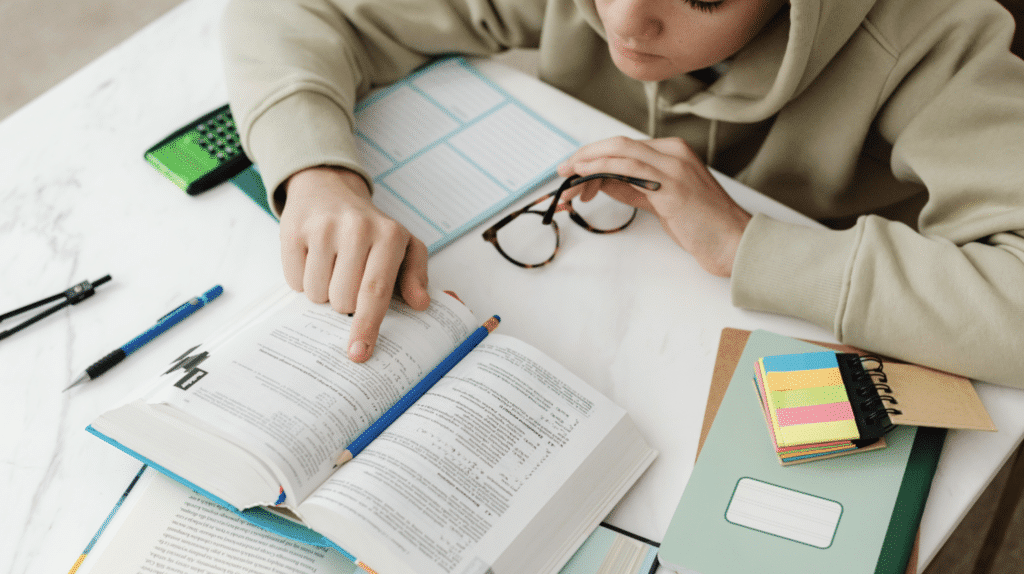



One evening, a student sat down with a clear intention. One chapter. One hour. His phone was on silent, his desk was clear, and he genuinely wanted to study. Five minutes in, his mind drifted. Ten minutes later, he checked the time. Fifteen minutes later, he unlocked his phone without even noticing. Nothing was technically wrong. He wasn’t sleepy or bored. Yet sitting still felt strangely uncomfortable, almost irritating.
This experience has become incredibly common among students, readers, and competitive exam aspirants. It feels personal, like a lack of discipline or focus, but the reason is far more structural. Many people today are dealing with what is often called “popcorn brain.”
Popcorn brain is not a medical condition. It’s a way to describe how the brain behaves after being exposed to constant stimulation for long periods of time. Notifications, short videos, endless scrolling, quick content, rapid switching between tabs and tasks all train the brain to expect novelty every few seconds. Over time, the mind starts jumping from one thought to another, much like popcorn popping in a pan. Staying with one idea, one page, or one problem begins to feel unnatural.
This is why studying today feels harder than it used to. Earlier, reading a chapter or solving problems for an hour felt normal. Now, silence feels loud. Stillness feels uncomfortable. The brain has learned to associate engagement with speed and stimulation. So when it’s asked to do something slow, like reading or deep thinking, it resists. Not because the task is difficult, but because it feels too quiet.
Many students notice this during study sessions. They read but nothing sticks. They reread the same lines again and again. They feel restless even when the topic is interesting. This is not a sign of low intelligence or poor discipline. It’s the result of an attention system that has been trained for speed instead of depth.
Most students respond by trying to force focus. They sit longer, make stricter rules, and blame themselves when it doesn’t work. But popcorn brain doesn’t improve through pressure. It improves when the conditions around the brain change. Focus is not restored by willpower alone. It is restored by environment.
The brain learns distraction and focus the same way, through repetition. If the day is filled with constant stimulation, the brain will keep asking for it. If the environment becomes calmer and more predictable, the brain slowly adapts back. This is why certain spaces make studying feel easier without any conscious effort.
Think about a library. No one motivates you there. No one checks your progress. Yet focus comes more naturally. That’s because the environment protects attention. The brain doesn’t have to fight distractions every second. Effort feels normal instead of forced. Silence feels safe rather than uncomfortable.
This matters even more for students preparing for competitive exams. These exams don’t reward speed of consumption. They reward depth of understanding. Popcorn brain leads to shallow reading, weak retention, and mental fatigue. Deep focus is not optional in such preparation. It’s essential.
Many students have started realising that the solution isn’t to push harder, but to study differently. Instead of fighting their mind, they place themselves in calmer, shared environments where effort feels steady and distractions are limited. In such spaces, the brain slowly relearns how to stay with one thing.
This is the idea behind The Reading Room (An Initiative by The CA in Me) . It’s a quiet online space where students and readers sit together with cameras on and mics off, simply reading or studying in silence. There is no talking, no interruptions, and no constant stimulation. Just focused sessions with short breaks that help attention settle naturally.
To join The Reading Room ( Virtual Library )
You don’t join it to fix everything overnight. You join it to give your brain a calmer place to work. And when stimulation reduces and presence increases, studying slowly stops feeling like a fight and starts feeling possible again.
In a world designed to keep your mind jumping constantly, learning how to sit, read, and think deeply again may be one of the most valuable skills a student can rebuild.